

Emirates to unveil luggage robot that can face-scan, weigh and tag bags
New technology to combine biometric checks with automated baggage handling
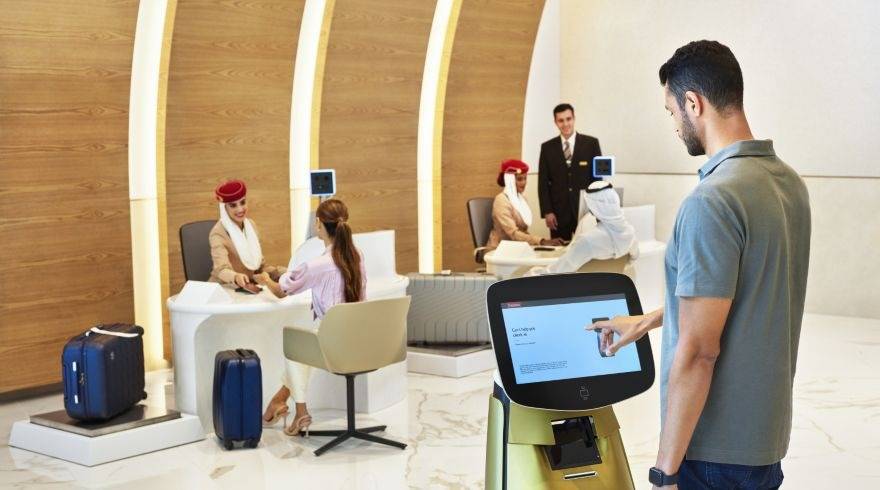
DUBAI – Emirates is developing a new luggage robot that could bring face recognition, baggage drop, weighing and tagging together in a single airport interaction.
The technology is designed to identify passengers through facial verification before accepting their luggage and completing key baggage-handling steps automatically. Emirates plans to showcase and launch the system during the first quarter of 2027.
Keenan Hamza, Vice President of Innovation and New Technologies at Emirates Group, revealed details of the project during ForsaTEK 2026 at Emirates Group headquarters in Dubai on September 21 and 22.
Smarter bag drop
The new robot builds on Emirates’ existing work with Sara, its robotic check-in assistant. Sara can match a passenger’s face with a scanned passport, complete flight check-in and direct travellers towards luggage drop facilities.
The next stage will bring baggage acceptance into the automated process. As a passenger approaches, the robot will recognise the traveller, scan their face and receive the bag. The equipment will then weigh the luggage and automatically attach the baggage tag.
This combines passenger identity verification and physical baggage handling within one interaction, reducing the number of separate steps required during airport processing.
Sara is currently deployed at Emirates City Check In and Travel Store in Dubai International Financial Centre. Emirates also operates self-service kiosks, staffed check-in desks and off-airport baggage processing facilities across Dubai.
Robotics and AI
Emirates Group has established a dedicated robotics lab focused on automation across passenger operations, cargo services and logistics. The luggage robot forms part of this wider programme, with the company seeking to move technology concepts from testing into operational use.
ForsaTEK 2026 also showcased an automated aircraft maintenance inspection system using drones to examine engine components. Hamza described the application as a regional first, saying Emirates was the first entity in the region to undertake the work.
The group has also automated pallet dimension measurement in its cargo operations, adding another area where robotics and automation are being introduced into everyday workflows.
Artificial intelligence is being developed alongside robotics and biometric technology to make future journeys more personalised. Emirates is exploring how historical passenger information can be used to anticipate individual requirements before travellers make a request.
Food and beverage preferences are among the areas being considered, with AI systems intended to identify what individual passengers have previously preferred and present relevant options during subsequent journeys.
The technology push comes as Emirates Group continues to invest heavily across its operations. For the financial year ended March 31, 2026, group revenue reached $41.0 billion (Dh150.5 billion), while profit before tax stood at $6.6 billion (Dh24.4 billion).
Group cash assets reached $16.2 billion (Dh59.6 billion), while Emirates airline recorded $35.7 billion (Dh130.9 billion) in revenue. Investment in aircraft, facilities, equipment and technology totalled $4.9 billion (Dh17.9 billion) during the 2025 to 2026 financial year.